
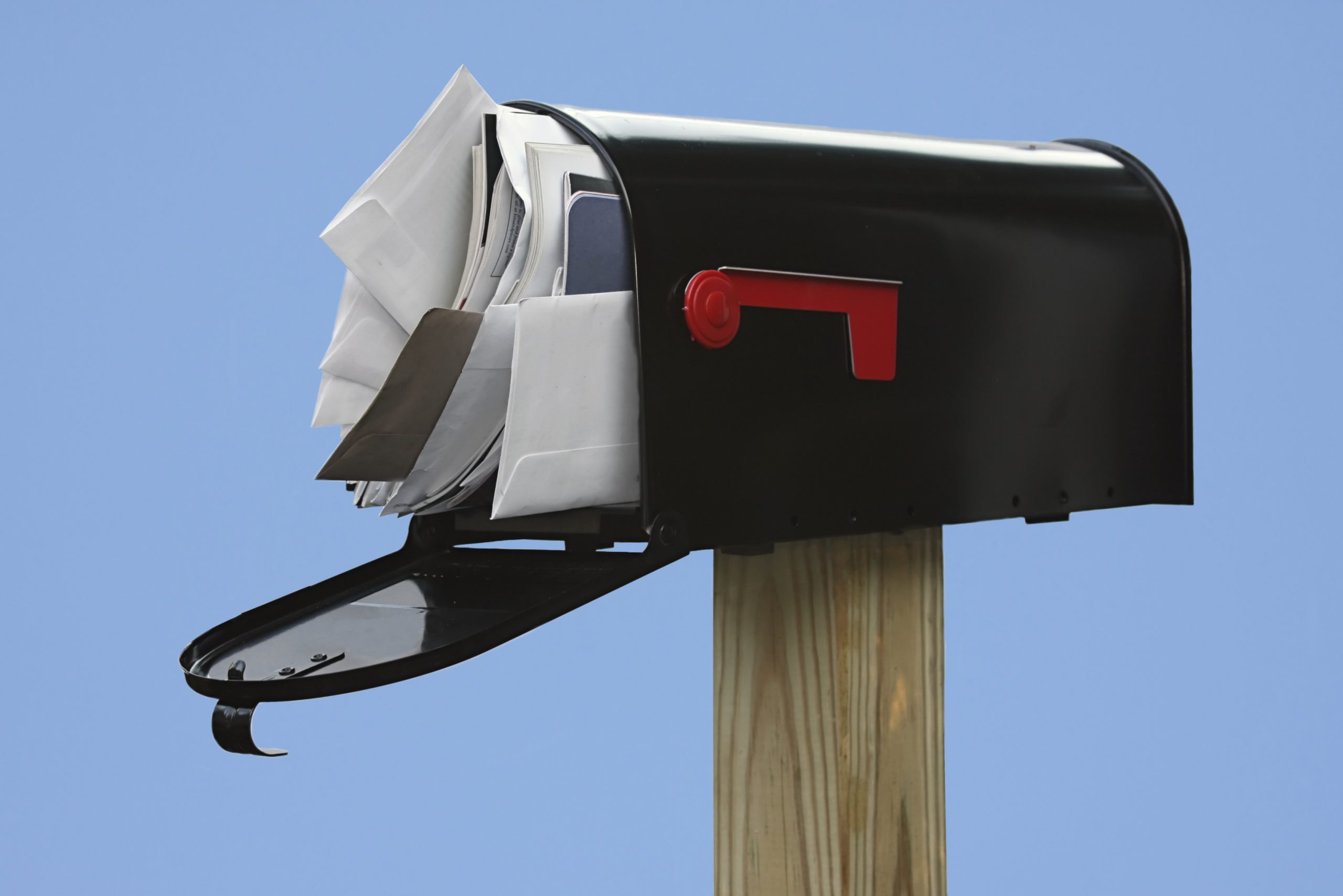
7 Powerful Signals That Make Direct Mail Fundraising Appeals Get Opened
In direct mail fundraising, success starts before the ask.
Before a donor reads your story.
Before they notice the reply card.
Before they decide whether to give.
They have to open the envelope.
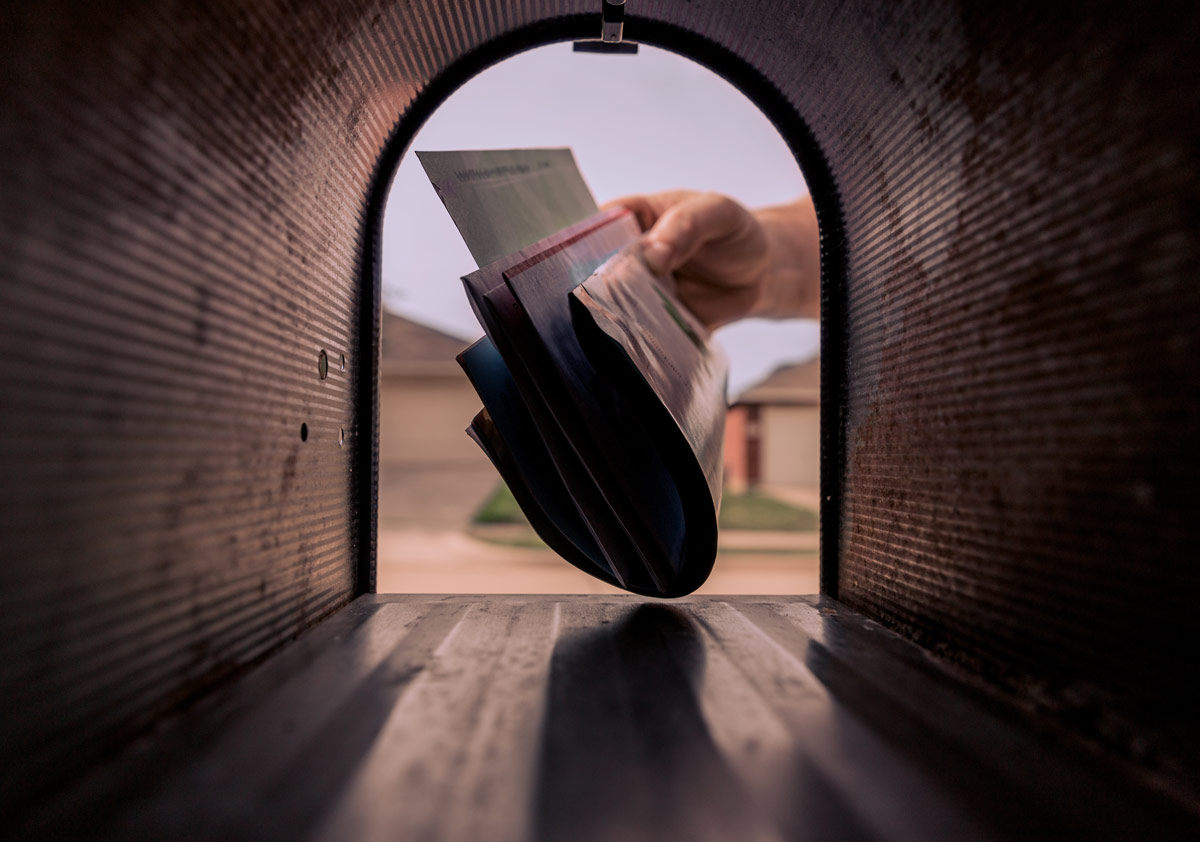
That decision usually happens in a few seconds, often while standing over the recycling bin, sorting through utility bills, catalogs, and things they never asked for.
Direct mail fundraising doesn’t fail because donors don’t care. It fails because the appeal never earns a pause. In nonprofit fundraising, attention is the first conversion, and it’s one many organizations accidentally design past.
The Envelope Is the First Fundraising Appeal
The envelope isn’t packaging. It’s the first impression your fundraising appeal makes.
Before donors know what you’re asking for, they’re asking themselves something else: Is this worth my time?
They look at who it’s from, how it feels, and whether it looks personal or promotional. Plain envelopes often outperform glossy ones because they don’t trigger the same defenses as obvious marketing mail. They feel intentional and human.
If it looks like an ad, it gets treated like an ad.
Personalization Builds Trust (When It’s Done Well)
Personalization in fundraising appeals works best when it feels thoughtful, not performative.
Using a donor’s name can help. Referencing past support can help even more. But personalization stops working the moment it feels automated or excessive.
We’ve all seen appeals that try too hard. The donor’s name appears five times in the first paragraph. The handwriting font is suspiciously perfect. The message feels less personal the more it insists that it is.
This is not the place for novelty fonts, fake handwriting, or anything that makes a donor think someone got a little too enthusiastic in InDesign.
In nonprofit fundraising, personalization isn’t about being clever. It’s about signaling respect. The goal is to make the appeal feel like it was meant for someone, not blasted at everyone.

Curiosity Works Better Than Urgency
Urgency is easy to manufacture. Curiosity is harder, and far more effective.
Many fundraising appeals lean heavily on vague urgency. Act now. Time is running out. Don’t miss this opportunity. Donors see these phrases constantly, and over time they stop meaning anything.
Curiosity, on the other hand, gives donors a reason to open the envelope.
Teaser copy works in direct mail fundraising when it hints at real impact, references the donor’s role, or raises a genuine question. It doesn’t need to be dramatic. It just needs to be specific.
If your teaser could be printed on any fundraising appeal from any organization, it probably won’t get opened.
Handwritten Elements Still Matter (Even When They’re Automated)
Handwritten elements consistently improve engagement in fundraising appeals because they slow donors down.
A handwritten note on the envelope.
A real signature at the bottom of the letter.
A short handwritten PS.
These details signal effort and care, which gives donors a reason to pause before moving on.
And no, this doesn’t mean someone has to handwrite thousands of letters.
Many nonprofit fundraising teams use auto pen technology, which uses real pens and real ink to replicate handwriting or signatures at scale. When used thoughtfully, it preserves the human signal donors respond to without the time and labor required to handwrite every piece.
The key is restraint. Short notes. Natural placement. Nothing that draws attention to the process itself.
Familiarity Builds Trust Over Time
Donors are more likely to open mail they recognize immediately.
Consistent sender names, return addresses, and visual style reduce friction and build trust. When branding changes frequently, donors have to stop and reassess who you are before they can even consider the message.
That moment of hesitation is often enough to lose them.
In direct mail fundraising, familiarity usually outperforms cleverness. Recognition makes opening the envelope feel safe. Safety leads to attention. Attention leads to response.
Timing and Respect for Attention Matter
Even the strongest fundraising appeals can fail if they arrive at the wrong time.
Holidays, election cycles, and overlapping campaigns all affect open rates. So does frequency. When donors feel overwhelmed, even well-crafted mail gets ignored.
Nonprofit fundraising works best when donors feel respected, not chased. Direct mail fundraising is no exception. Timing should feel intentional, not reactive.
Opening the Envelope Is the First Conversion
A direct mail fundraising campaign doesn’t begin with the ask.
It begins with a moment of attention and trust.
When nonprofit fundraising appeals are designed for that moment, everything that follows performs better. Response rates improve. Retention improves. The relationship feels more human.
When they aren’t, even the strongest appeal never gets read.
And no amount of copy, design, or urgency can fix an appeal that never makes it out of the envelope.



Leave A Comment